
Google Ads in 2026: What’s Changed & How to Reduce CPL
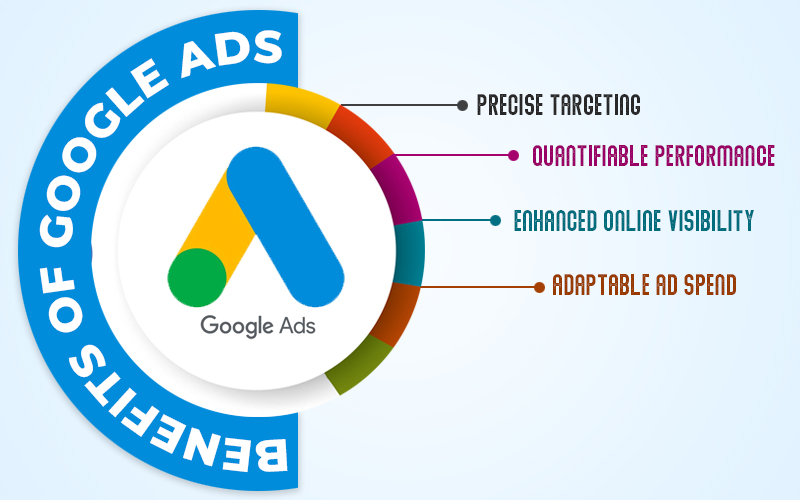
Trends, Tools & Cost-Effective Strategies - Google Ads 2026
Digital advertising continues to evolve at a rapid pace, and Google Ads — as one of the most powerful platforms for paid search and performance marketing — has seen major updates, new features, and smarter automation tools through 2026.
For businesses, this means more opportunities and new challenges: increased competition, smarter AI-driven bidding, and evolving consumer expectations. But knowing how to navigate these changes can help your campaigns deliver stronger results — including lower Cost Per Lead (CPL) and higher return on ad spend (ROAS).
In this guide, we’ll explore what’s changed in Google Ads in 2026 and practical ways to reduce CPL while maximizing campaign impact.
What’s Changed in Google Ads in 2026
1. AI-Powered Bidding Has Become the Default
Google’s machine learning now handles bidding decisions for most campaign types — including Search, Performance Max, and Display.
Instead of manual CPC bidding, automated strategies like Maximize Conversions, Target CPA, and Target ROAS are now standard, using real-time signals like device type, time of day, location, and user behavior.
This means advertisers no longer need to guess the best bid — Google’s AI optimizes it dynamically for you.
Why it matters:
AI bidding improves efficiency, but only if campaigns are structured properly with clear goals and quality conversion data.
2. Performance Max (PMax) Is the New Default for Many Campaigns
Performance Max campaigns now serve ads across Search, Display, YouTube, Gmail, and Discover — all from one unified campaign.
Pros:
✔ Broader reach without managing multiple campaign types
✔ AI optimizes creatives, audiences, and placements based on goals
✔ Real-time learning & automation improves performance over time
Cons:
✔ Less manual control
✔ Requires accurate conversion tracking for best results
What’s new in 2026:
Google now offers placement-level insights within PMax, so advertisers can see where performance is coming from — helping better allocation of budget and creative assets.
3. Better Integration with Google Analytics 4 (GA4)
GA4 has become the standard analytics platform for tracking user journeys across web and apps. This integration has critical importance for Google Ads (PPC):
🔹 Improved attribution — you can see how different touchpoints contribute to conversions
🔹 Better audience building — segment users based on behavior, not just clicks
🔹 AI-powered insights — identify automated recommendations and optimization opportunities
Result: More accurate data leads to better bids and improved campaign decisions.
4. Search Trends & Conversational Queries Are Impacting Ad Targeting
Users are searching in more conversational ways — especially through voice search and AI assistants.
Example:
“Best CRM software for small business with affordability and custom reporting”
This means marketers must rethink keyword strategy — focusing less on exact matches and more on intent-based, long-tail keywords. Google’s AI interprets these queries and matches them with relevant ads.
How to Reduce CPL (Cost Per Lead) in 2026
Reducing CPL is about working smarter, not spending less. Here are proven tactics:
1. Set Clear & Accurate Conversion Tracking
Conversion tracking isn’t optional — it’s mission-critical.
✔ Track all key actions (form submissions, WhatsApp clicks, calls, purchases)
✔ Use GA4 + Google Ads conversion import
✔ Assign realistic values to each action
Why it matters:
Google’s AI bidding needs accurate data to optimize. Poor tracking means the platform won’t know which leads are valuable.
2. Use Smart Bidding With Realistic Targets
Smart Bidding is powerful… when you use it correctly.
Best options:
• Target CPA: Set a CPL target based on historical performance
• Maximize Conversions: Let Google find the most conversions within budget
• Target ROAS: If you track value per conversion
Start with conservative targets and adjust as performance stabilizes.
3. Optimize Keyword Strategy for Intent and Relevance
In 2026, keyword optimization is less about match types and more about intent:
🔹 Include long-tail keywords
🔹 Add negative keywords regularly
🔹 Use Search Terms Report to refine bidding
This increases relevance and reduces wasted ad spend — lowering your CPL.
4. Improve Landing Page Experience
Even the best ads fail if the landing page doesn’t convert.
Best practices:
• Fast load speeds
• Clear messaging that matches your ad
• One primary conversion action
• Mobile-friendly design
A better landing page = higher conversion rate = lower CPL.
5. Segment Campaigns by Audience & Context
Divide campaigns by:
✔ Geography
✔ Device
✔ Intent stage (top, mid, bottom of funnel)
When you segment properly, Google’s AI has more precise signals — improving bid decisions and reducing wasted spend.
6. Use High-Quality Creative Assets in Performance Max
Performance Max success depends on asset quality:
✔ Multiple headlines & descriptions
✔ High-resolution images
✔ Engaging video clips
Google’s AI mixes and matches assets. Better creative = higher engagement = lower acquisition cost.
7. Build Remarketing Audiences
Don’t rely on top-funnel traffic only.
Create remarketing audiences for:
• Website visitors
• Users who started forms but didn’t convert
• Past leads or customers
Remarketing ads tend to have lower CPL — because users are already familiar with your brand.
Google Ads in 2026 is smarter and more automated than ever before. But automation doesn’t replace strategy — it amplifies it. The advertisers who use AI bidding, smart analytics, intent-driven keywords, and high-quality creatives will dominate.
Reducing CPL isn’t about spending less — it’s about spending better.
If your business wants to maximize conversions and lower acquisition costs, the right strategy paired with modern tools is key.
Ready to optimize your Google Ads campaigns for 2026? Contact Onlinenetsoft’s Google Ads experts today!
Top 10 technical AI digital marketing technical updates and news
The Rise of GEO (Generative Engine Optimization)
The Update: Traditional SEO is evolving into GEO. With AI engines (like ChatGPT and Google’s AI Overviews) handling billions of prompts, the technical goal is no longer just “ranking” but becoming the “cited source” for AI responses.
Technical Focus: Implementing semantic HTML markup and authoritative “claim-evidence” structures so AI models can easily parse and credit your content.
Google’s February 2026 "Discover" Core Update
The Update: Google recently updated its Discover algorithm to prioritize Geographic Relevance. Content is now being filtered more strictly based on the user’s precise physical location and local intent.
Technical Focus: How to optimize local entity signals and technical metadata to capture traffic from AI-powered local packs.
Agentic Marketing: Moving Beyond Chatbots
The Update: The industry is shifting from “single-task bots” to Multi-Agent Systems. These agents can now autonomously plan, execute, and optimize entire workflows (e.g., a bot that researches a keyword, writes the draft, and schedules the social post).
Technical Focus: Integrating AI agent APIs (like Gushwork or OpenAI’s latest agents) into your CMS to automate lead qualification and content distribution.
ChatGPT Advertising & $60 CPMs
The Update: OpenAI officially launched its ad platform in early February 2026. With high engagement but limited supply, early adopters are seeing premium $60 CPMs.
Technical Focus: Understanding the technical difference between keyword-based bidding and intent-based conversational targeting in AI chat interfaces.
First-Party Data Strategy in a Cookie-Less 2026
The Update: With privacy regulations tightening, “Identity Resolution” has become the core of technical marketing. Tools like Epsilon are now processing 7,000+ attributes per individual to predict intent.
Technical Focus: Building a technical “Data Clean Room” to store first-party data securely while feeding it into AI models for hyper-personalization.
AI-Powered "Checkout Integration" in Search
The Update: Google has clarified its “AI Mode” integration, allowing users to move from search to checkout via AI agents without leaving the interface.
Technical Focus: Providing Structured Product Data and automated cart management APIs so AI agents can facilitate direct purchases from your website.
The 2x AI-Visitor Metric (Human vs. Bot Traffic)
The Update: New data shows that for every human visit, many websites now receive 2x–3x more “AI Agent” visits. These bots crawl sites to gather data for LLM answers.
Technical Focus: How to optimize your robots.txt and server-side rendering (SSR) specifically for AI crawlers to ensure they “read” your brand’s value correctly.
Predictive Churn Prevention with Machine Learning
The Update: Modern AI platforms now monitor customer behavior patterns (like click-latency and scroll-depth) to identify potential churn before the user leaves.
Technical Focus: Implementing event-tracking scripts that trigger “Retention AI” workflows to deliver personalized offers in real-time.
Multimodal Content: AI Video at Scale
The Update: 2026 is the year of “Script-to-Video” (using tools like LTX Studio or Sora). Marketing teams are no longer filming; they are generating.
Technical Focus: How to use AI to generate 50+ variations of a single video ad for A/B testing, targeting different demographics with unique visuals but the same core message.
The LinkedIn "Traffic Decline" & Content Strategy Shift
The Update: LinkedIn recently revealed a significant traffic decline (nearly 60%) due to AI-powered search summarizing posts.
Technical Focus: Moving away from “summary-style” content (which AI can steal) toward “Deep Expertise” and “Employee Influencer” models—creating content that AI cannot easily replicate without the original source.
The Latest Trends in the World of Online Networking and Software Development: What You Need to Know
the world of online networking and software development continues to evolve at a breakneck pace. As we move into 2025, several key trends are beginning to shape the way businesses operate and how developers build software. In this article, we’ll take a deep dive into some of the latest trends in the tech world that are set to transform the online ecosystem.
The rapid evolution of technology has made it essential for both businesses and developers to stay updated with the latest trends. Below, we’ve gathered some updates and news on how these trends are being operate by industry professionals and their impact on the field.
Artificial Intelligence (AI) and Machine Learning (ML) Integration
AI and ML have been hot topics for a few years now, but in 2025, they are no longer just buzzwords. From predictive analytics to smart automation, AI and ML are becoming increasingly integrated into a variety of software tools, from chatbots to complex enterprise systems. Businesses are relying on AI to drive smarter decisions, improve customer service, and personalize experiences. For developers, this means that understanding AI tools, frameworks, and algorithms is no longer optional but a necessity.
What’s New?
- Generative AI is creating waves by enhancing content creation, design automation, and even code generation.
- AI-powered security is being increasingly used to combat cyber threats by automating threat detection and response.
Edge Computing
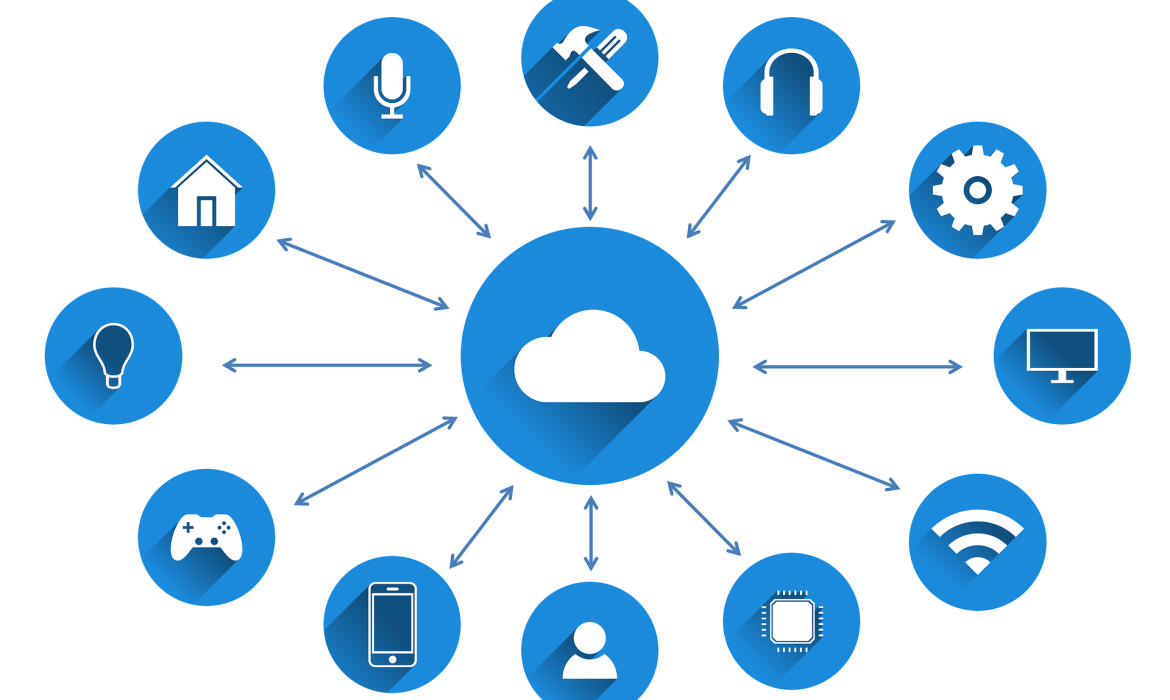
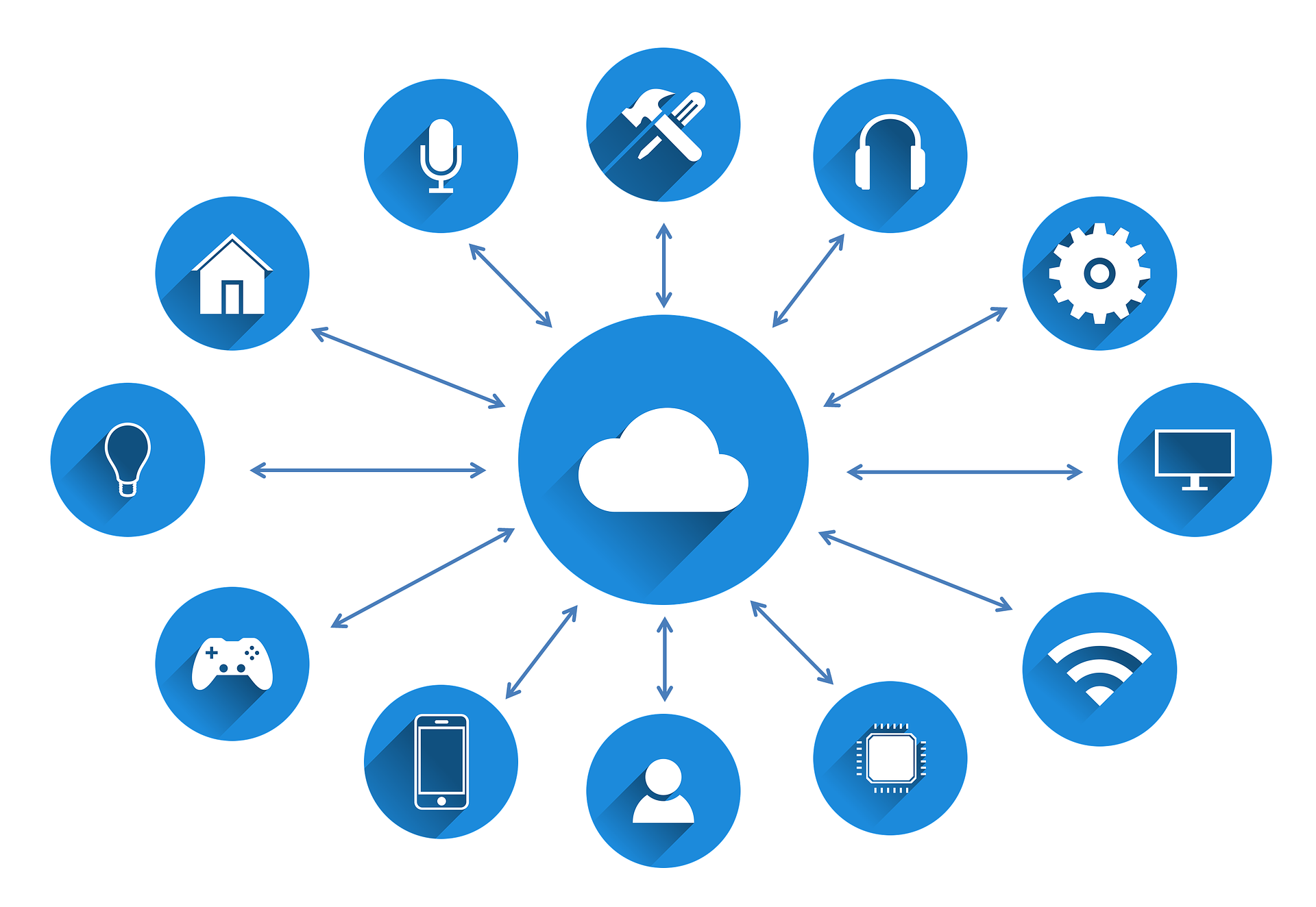
Edge computing, which refers to processing data closer to its source (e.g., IoT devices), is gaining traction. With the rise of connected devices, networks can become overloaded if all data is sent to centralized cloud servers. Edge computing helps alleviate this strain by processing data locally and enabling faster decision-making.
Why It’s Important?
- Low Latency: Essential for real-time applications like self-driving cars and augmented reality.
- Efficiency: Reduces bandwidth usage and increases responsiveness, leading to faster data processing.
Cloud-Native Development
Cloud-native development is about designing applications to run optimally in the cloud, using microservices, containers, and serverless computing. With companies increasingly relying on the cloud, cloud-native development practices are helping developers build more scalable, flexible, and resilient software.
What’s New?
- The shift towards multi-cloud strategies where businesses leverage multiple cloud providers for greater redundancy and scalability.
- Serverless computing has become more mainstream, reducing overhead costs and simplifying infrastructure management.
Cybersecurity and Data Privacy Focus
With the growing amount of data being generated daily, businesses are becoming more focused on cybersecurity and data privacy. Breaches are more costly than ever, not just financially but in terms of reputation. The demand for robust cybersecurity solutions is leading to a rise in the adoption of tools that combine threat intelligence, machine learning, and blockchain technologies.
Key Trends to Watch:
- Zero Trust Security Models: A shift toward verifying every device, user, and network interaction, even within the organization.
- AI-Driven Security: Using AI to predict, detect, and respond to cybersecurity threats in real-time.
- Data Privacy Regulations: With the EU’s GDPR and California’s CCPA, privacy laws are becoming stricter, making compliance a top priority for businesses.
Low-Code and No-Code Development Platforms
One of the most significant changes in software development is the rise of low-code and no-code platforms. These platforms enable users—without deep technical knowledge—to create and modify applications quickly. This trend is empowering non-developers to play a role in the development process, democratizing access to technology.
Why It’s a Game-Changer:
- Faster Development: Users can create apps without needing to write extensive code.
- Cost-Effective: Companies can reduce development costs by enabling business users to build their own solutions.
Blockchain Beyond Cryptocurrency
While blockchain technology is widely known for its role in supporting cryptocurrencies like Bitcoin, its use has expanded far beyond digital currencies. In 2025, blockchain is being applied to a wide range of industries, including supply chain management, healthcare, and finance, due to its ability to provide secure, transparent, and immutable records.
Key Applications:
- Smart Contracts: Enabling automated and trustless transactions in industries like finance and insurance.
- Decentralized Finance (DeFi): The creation of decentralized financial products that remove intermediaries.
Augmented Reality (AR) and Virtual Reality (VR)
Although AR and VR have been around for a while, 2025 is witnessing their widespread use, particularly in sectors like gaming, education, retail, and healthcare. From virtual meetings to immersive learning experiences, these technologies are reshaping how we interact with digital content.
Emerging Trends:
- Mixed Reality (MR): Combining elements of both AR and VR to create immersive experiences.
- Virtual Workspaces: More companies are adopting VR and AR for remote collaboration and employee training.
Quantum Computing
Though still in its infancy, quantum computing is rapidly progressing and has the potential to revolutionize industries such as finance, healthcare, and logistics. Quantum computers use the principles of quantum mechanics to solve problems that are currently too complex for classical computers.
Why It’s Important?
- Unmatched Computing Power: Quantum computers could process vast amounts of data and solve optimization problems much faster than current computers.
- Breakthroughs in AI and Cryptography: Quantum computing could lead to significant advancements in AI capabilities and more secure encryption techniques.
AI and ML are no longer a future concept; they’re here and driving real-world innovation. As a software developer, integrating AI into my projects has significantly enhanced the efficiency of our systems. It allows us to make smarter decisions, automate repetitive tasks, and deliver personalized user experiences that were once unimaginable. – Sophia Liu, Senior Software Engineer
The trends shaping the future of online networking and software development are exciting, and businesses need to stay ahead of the curve to remain competitive. Whether it’s embracing AI, adopting cloud-native development practices, or leveraging blockchain, the rapid technological advancements happening today will define the next generation of digital innovation.
As a developer or business owner, it’s crucial to keep an eye on these trends and consider how they can enhance your operations and products. The future of tech is not just about keeping up—it’s about leading the charge into uncharted territory. Keep learning, experimenting, and embracing change. The possibilities are endless.
Stay tuned for more updates on these trends and how you can leverage them in your business!
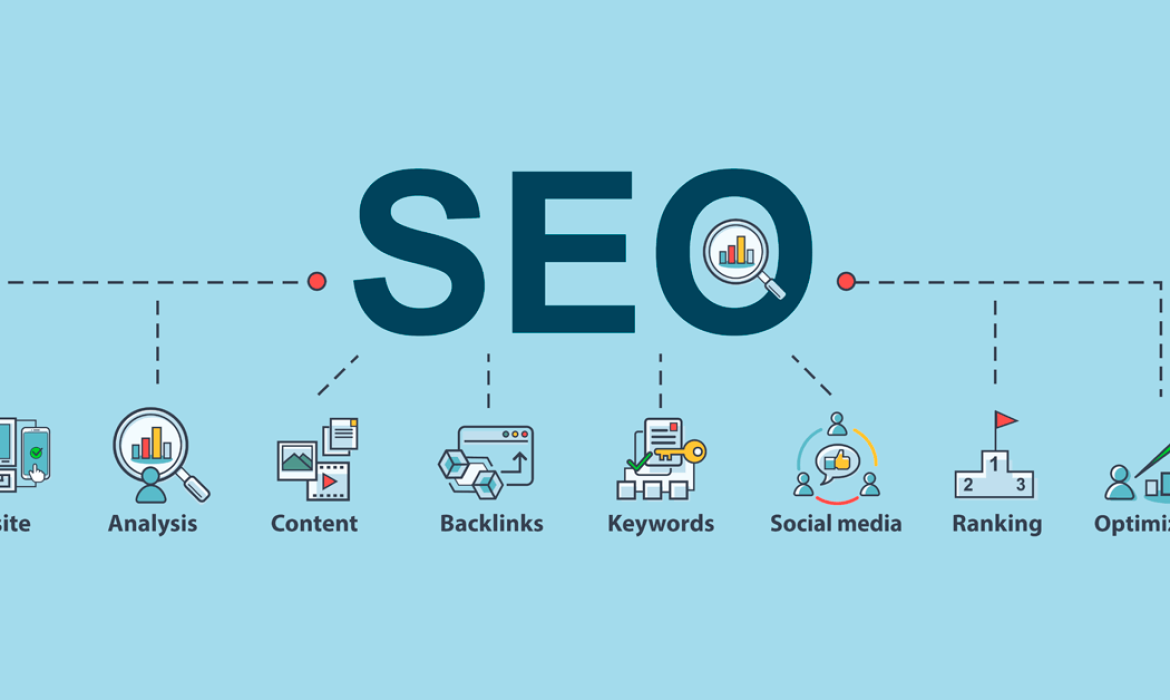
SEO Trends to Watch in 2025: Key Strategies for Success in the Evolving Digital Landscape
sEO is always evolving, and 2025 looks like it will continue pushing boundaries with new technologies, user behaviors, and algorithm updates. Here are some of the key SEO trends to keep an eye on for 2025:
1. AI and Machine Learning Integration
- AI-Driven Content: Google’s algorithms are becoming smarter at understanding intent and context, not just keywords. Tools like ChatGPT and Google’s own AI models will continue to refine the way we create content, emphasizing relevance and quality over keyword stuffing.
- Automated Content Optimization: AI tools will likely play a bigger role in suggesting edits for better SEO performance, from optimizing for LSI keywords (Latent Semantic Indexing) to structuring content for clarity and user engagement.
2. Voice Search Optimization
- With the increasing use of voice assistants (like Google Assistant, Alexa, and Siri), optimizing for voice search will be critical. People are using natural language more in their searches, so websites that offer concise, conversational answers will have an advantage.
- Featured Snippets: Optimizing for “position zero” becomes more crucial, as voice assistants often read from the featured snippets on SERPs.
3. Core Web Vitals & User Experience (UX)
- Google’s emphasis on Core Web Vitals (page speed, interactivity, and visual stability) is not going anywhere. In fact, by 2025, it will likely be a non-negotiable aspect of SEO.
- Mobile-First: Mobile-first indexing is already a big deal, but it will continue to shape SEO strategies as more users shift to mobile devices and expect faster, smoother experiences.


4. E-A-T & Content Quality
- Expertise, Authoritativeness, and Trustworthiness (E-A-T) are still major ranking factors. Content that shows clear authority, expertise, and trustworthiness will likely continue to perform better in search results.
- As misinformation is a growing issue, Google and other search engines will likely continue focusing on content quality signals, meaning brands and businesses will need to focus on high-quality, authoritative content.
5. Video SEO
- Video consumption is rising, and optimizing video content for search engines will become more important. Platforms like YouTube are second only to Google for search, and optimizing titles, descriptions, and metadata will help.
- Short-form video (e.g., TikTok, Instagram Reels) will become a key part of SEO strategies, especially if Google starts integrating more of this content into search results.
6. Visual & Image Search
- Visual search technologies (like Google Lens) will become even more advanced. By 2025, users will increasingly rely on image search, which will push websites to optimize images, ensure alt text is accurate, and provide high-quality, easily searchable visuals.
- AR & VR: Augmented and virtual reality integration in eCommerce and mobile apps will likely influence SEO strategies. AR can help businesses offer unique, immersive experiences, which could affect rankings.
7. Search Intent and Personalization
- Search engines are getting better at understanding user intent beyond simple keyword matching. By 2025, more focus will likely be placed on semantic search, where search engines try to understand the context of a user’s query rather than just keywords.
- Hyper-Personalization: Content will be increasingly personalized, and search engines will prioritize content that is tailored to individual needs and preferences. SEO strategies will have to adapt to creating personalized, dynamic content.
8. Local SEO and Hyperlocal Search
- The importance of local search will continue to grow as more people use mobile devices to look up local businesses and services. Optimizing for local SEO will be crucial for small businesses, particularly through Google My Business and local pack rankings.
- Geospatial SEO: With the rise of connected devices and location-based data, geospatial SEO will become more refined, allowing businesses to target highly specific local or even hyper-local areas.

9. Zero-Click Search Results & Featured Snippets
- Zero-click searches (where users get the answer directly on the SERP) are already common, and optimizing for them will become increasingly important. This could mean structuring content to directly answer common queries with concise, direct answers to rank in featured snippets or “People Also Ask” sections.
10. Search Engine Privacy and Ethical SEO
- With growing concerns about user privacy, search engines are likely to implement even more privacy-centric features. Brands will need to be mindful of how data is collected and used for SEO, and ethical SEO practices (such as user consent for data collection) will become more prominent.
- No-Click Content: More content is becoming “no-click” in nature, where search engines provide answers directly on the search page. Adapting to this shift will require businesses to rethink their strategy and focus on providing actionable, value-driven content.
11. Semantic HTML & Structured Data
- Using structured data (Schema.org) will become even more important as search engines aim to understand and categorize content more effectively. Schema markup helps enhance search visibility by making content easier for search engines to read and understand.
12. Sustainability and Green SEO
- As environmental sustainability becomes more of a priority, some search engines and users may start valuing businesses that emphasize green practices. Whether it’s optimizing server energy use or promoting sustainability-focused content, this trend will likely play a role in SEO.
SEO in 2025 will likely be less about individual ranking factors and more about creating an optimized, holistic user experience across all devices and platforms.
Would you like more details on any of these trends or tips on how to implement them?
How Artificial Intelligence is Shaping the Future of Digital Campaigns in 2025
AI As we approach 2025, one thing is clear: Artificial Intelligence (AI) is no longer just a buzzword in digital marketing—it’s the driving force behind the most innovative and effective marketing strategies. With AI technologies advancing at a rapid pace, digital marketers now have access to a wide array of powerful tools that can optimize campaigns, enhance customer experiences, and maximize ROI. In this blog post, we’ll explore how AI is shaping the future of digital campaigns in 2025 and why marketers must embrace these technologies to stay ahead of the competition.
1. Hyper-Personalization: Marketing to Individuals, Not Audiences
In 2025, personalization will reach new heights. AI is already capable of analyzing vast amounts of data, but with advancements in machine learning and deep learning, marketers will be able to move from “audience-level” personalization to true individual-level personalization. This means marketers can create deeply customized experiences for every single customer based on real-time behaviors, preferences, purchase history, and even mood.
AI-powered platforms will enable marketers to predict customer needs before they even arise and deliver highly relevant messages through the right channels. Whether it’s offering product recommendations, personalized content, or even tailoring website experiences, the customer journey will feel uniquely tailored to each individual.
Example: Imagine an online retailer using AI to suggest not just products, but entire shopping experiences, including personalized deals, delivery options, and curated collections, all based on real-time data from the customer’s browsing and buying habits.
2. AI-Driven Content Creation: The Future of Creative Marketing
Creating high-quality, relevant content at scale has always been a challenge for marketers. In 2025, AI will continue to revolutionize content creation, allowing brands to generate everything from blog posts and email newsletters to social media posts and video scripts—at a faster and more efficient pace than ever before.
Using AI tools like GPT-4 and beyond, marketers can produce content that not only aligns with brand voice and SEO best practices but also resonates with the specific interests of different audience segments. Furthermore, AI will be able to analyze what types of content are most engaging for different demographics, helping marketers optimize their creative strategies in real-time.
Example: A tech company might use AI to craft personalized email campaigns that speak directly to the pain points of each recipient, based on previous interactions with the brand. The AI could even suggest optimal subject lines, images, and calls to action, boosting open rates and conversions.
3. Conversational AI: The New Face of Customer Interaction
The rise of chatbots and conversational AI has already been a game-changer in customer service, but by 2025, these AI systems will be even more advanced, capable of having natural, human-like conversations with customers across all digital touchpoints. These AI-powered assistants will not only resolve customer queries but will also proactively engage with users to offer personalized product recommendations, help with bookings, and even process sales.
In 2025, conversational AI will play a critical role in marketing, enabling brands to deliver real-time, 24/7 engagement and nurturing customer relationships without human intervention. These bots will get smarter, learning from every interaction, to continuously improve their effectiveness.
Example: A travel brand might use a conversational AI assistant on its website and mobile app to help users plan their trips, suggest destinations based on preferences, and offer exclusive travel deals based on user behavior—leading to higher conversion rates and more satisfied customers.
- Does the channel reach my intended audience?
- Is the channel sustainable and affordable within my company’s marketing budget?
- Will I be able to measure the success of the channel?
- Does the channel allow me to express my brand’s intended message?
- Do the channels I’m considering work together to convey my message?
4. Predictive Analytics: Getting Ahead of Customer Needs
As AI continues to evolve, predictive analytics will become even more sophisticated. By analyzing historical data, customer behavior, and market trends, AI will be able to anticipate future actions and outcomes with a high degree of accuracy. Marketers will be able to predict customer behavior in ways that were once impossible, helping them target the right audience at the right time with the right message.
In 2025, predictive analytics will help marketers forecast everything from when a customer is likely to make a purchase to when they might churn, allowing brands to take proactive steps to nurture and retain customers.
Example: An eCommerce company might use predictive analytics to identify customers who are likely to abandon their shopping cart, then send them a personalized reminder or offer—before they’ve even decided to leave the site.
5. AI-Powered Visual and Video Content Creation
Visual content is more important than ever in today’s digital world. AI will continue to revolutionize visual marketing in 2025 by enhancing the creation, optimization, and targeting of visual content. From AI-generated images and videos to advanced image recognition technologies, brands will be able to produce compelling, on-brand visuals at scale—without needing expensive equipment or complex design skills.
Additionally, AI tools will be able to analyze how users interact with visual content, offering valuable insights into which types of images or videos drive the most engagement. This allows marketers to create more effective visual campaigns and tailor their creative strategies in real-time.
Example: A fashion brand might use AI to generate realistic, on-brand images for product launches based on user data, or an AI-driven tool could analyze which colors, themes, and models in their promotional videos are most likely to resonate with their audience.
6. Dynamic Pricing and Smart Advertising: Real-Time Optimization
In 2025, dynamic pricing algorithms powered by AI will be able to adjust prices in real-time based on a variety of factors, such as demand, inventory levels, competitor prices, and even weather patterns. AI will also help marketers optimize advertising spend, ensuring that campaigns are constantly refined for maximum ROI.
AI will enable smart bidding strategies across digital advertising platforms like Google Ads and Facebook, allowing marketers to automatically adjust bids, targeting, and creatives based on performance data. This real-time optimization will ensure that brands are always spending their advertising budget in the most efficient way possible.
Example: An airline might use AI to adjust ticket prices based on demand patterns—offering discounted prices when there’s a lull in bookings or raising prices during peak travel periods to maximize revenue.
7. Ethical AI: Transparency and Trust in Marketing
As AI continues to play a bigger role in marketing, ethics and transparency will be critical. Consumers are becoming more aware of how their data is used, and in 2025, ethical considerations around AI will be more important than ever. Marketers will need to ensure they are using AI responsibly, respecting customer privacy, and being transparent about how AI is applied in marketing strategies.
In 2025, AI ethics will not only focus on privacy but also on fairness, accountability, and ensuring that AI-driven marketing does not inadvertently reinforce biases or exclude certain customer groups.
Example: A brand could ensure that its AI systems are transparent about data usage, providing customers with clear explanations of how their data is being used to personalize experiences. Additionally, they might regularly audit their AI tools to avoid any biases in product recommendations or ad targeting.
8. AI and the Future of Search Engine Optimization (SEO)
As search engines evolve, AI will play an increasingly significant role in SEO. In 2025, search engines will likely be more AI-driven, using advanced algorithms to understand the intent behind queries and deliver highly personalized, relevant results. Marketers will need to adapt their SEO strategies to this new reality by creating content that focuses on user intent rather than just targeting keywords.
AI-powered tools will help marketers optimize content for search engines more effectively, using natural language processing (NLP) and semantic search to improve ranking. Moreover, AI will help marketers stay ahead of algorithm updates, providing insights into what works and what doesn’t in SEO.
Example: An AI tool might analyze content in real-time to ensure it aligns with the intent behind specific search queries, making recommendations for better targeting and engagement.
Conclusion: Embracing the AI Revolution in 2025
The future of marketing is here, and AI is at the forefront of this transformation. In 2025, AI-powered marketing will continue to evolve, enabling marketers to deliver highly personalized experiences, optimize campaigns in real-time, and make smarter decisions faster than ever before. For businesses looking to stay ahead in an increasingly competitive landscape, embracing AI is not just an option—it’s essential.
By leveraging the latest AI technologies, marketers can not only improve their campaigns but also create deeper, more meaningful relationships with their customers. As we move further into 2025, the potential for AI in digital marketing is boundless, and those who embrace it early will be poised for success.
Are you ready to harness the power of AI in your marketing strategy? The future is now!

The Future of Branding: Trends to Watch in 2025 and Beyond
Branding is an ever-evolving field, shaped by shifting consumer behaviors, emerging technologies, and the need for businesses to stay relevant in a constantly changing marketplace. As we move into 2025 and beyond, several key trends are poised to redefine the way brands connect with their audiences. From the rise of artificial intelligence to the growing importance of sustainability, these trends offer exciting opportunities for brands to engage with consumers on a deeper level.
In this blog, we’ll explore the top branding trends that will dominate the future and provide actionable insights on how your brand can stay ahead of the curve.
AI-Powered Branding and Personalization
Artificial intelligence (AI) is already making waves in the branding world, and its influence is only going to grow. AI’s ability to analyze vast amounts of consumer data enables brands to offer hyper-personalized experiences. By 2025, AI will be a crucial tool for brands aiming to connect with consumers in a meaningful way.
How AI will shape branding:
- Data-Driven Personalization: Brands will use AI to create highly targeted campaigns based on individual preferences, behaviors, and past interactions. This allows for tailored content, product recommendations, and even dynamic pricing models.
- Chatbots and Virtual Assistants: Customer service will become even more seamless with AI-driven chatbots that offer 24/7 support. These tools will not only answer basic inquiries but will also learn from customer interactions to improve over time, making every experience more personalized.
Actionable Insight: Start investing in AI-driven tools that can help you collect data, automate marketing tasks, and deliver personalized content to your customers.
The Rise of Voice Search and Voice Commerce
Voice search and voice commerce are rapidly gaining traction. With the proliferation of smart speakers and virtual assistants like Amazon Alexa, Google Assistant, and Apple’s Siri, consumers are increasingly turning to voice-based interactions for shopping and information.
How voice search will impact branding:
- Optimizing for Voice Search: Brands will need to optimize their websites and content for voice search, focusing on natural language queries and conversational keywords.
- Voice Commerce: By 2025, it’s expected that voice commerce will account for a significant portion of online sales. Brands that integrate voice shopping capabilities into their e-commerce platforms will have a competitive edge, offering a more seamless shopping experience.
Sustainability and Ethical Branding
Consumers are becoming more conscious of the environmental and social impact of their purchasing decisions. By 2025, sustainability will no longer be a trend but a necessity. Brands will need to take a stronger stance on environmental issues, social responsibility, and ethical business practices.
How sustainability will shape branding:
- Eco-Friendly Products and Practices: Consumers are increasingly drawn to brands that prioritize sustainability, whether it’s through eco-friendly products, reducing carbon footprints, or using recyclable packaging.
- Transparency and Authenticity: Brands will be expected to be transparent about their sustainability efforts, showcasing their practices and offering proof of their commitment to ethical business.
Influencer Marketing 2.0: Micro-Influencers and Niche Communities
Influencer marketing is evolving, and brands are shifting from partnering with large, mainstream influencers to working with micro and nano-influencers. These influencers have smaller but highly engaged audiences and are often seen as more authentic and trustworthy.
How influencer marketing will evolve:
- Micro-Influencers and Niche Audiences: Brands will increasingly collaborate with influencers who have highly engaged communities in specific niches, whether it’s beauty, fitness, gaming, or sustainability.
- Long-Term Partnerships: Instead of one-off collaborations, brands will focus on building long-term relationships with influencers to create authentic, sustained brand narratives.
Online Net Soft transformed our digital presence with innovative solutions and exceptional service. Their expertise in web development and branding helped us increase engagement and grow our business exponentially. Highly recommended!
Stephen Ostin
Embracing the Future of Branding
The future of branding is dynamic, innovative, and consumer-centric. As we move toward 2025 and beyond, businesses that embrace these emerging trends—AI, voice search, NFTs, sustainability, the metaverse, influencer evolution, and human-centered branding—will have the opportunity to create stronger, more authentic connections with their audiences.
The key to success in the future of branding lies in adaptability, creativity, and a genuine commitment to delivering value to your customers. As technology and consumer expectations continue to evolve, so too must your brand. Embrace the future, and get ready to innovate your way into 2025 and beyond.

How to Increase Your ROI Through scientific SEM?
Want to know the one thing that every successful digital marketer does first to ensure they get the biggest return on their marketing budget? It’s simple: goal-setting. This is an absolutely essential practice for any digital marketer who knows how to execute their campaigns in a productive, cost-effective way. With a few. With a few simple tips, you can be doing the same in no time! In this blog, we’ll walk you through the first steps every savvy digital marketer takes to ensure that they’re on target to hit all their marketing objectives. Get ready for revenue!
Remember: even if the channel you’re considering is all the rage right now, it might not fit your brand. Always make informed decisions that directly relate to your company. Otherwise, your message won’t be delivered to its intended audience and you’ll have wasted time, effort and money.
Know Your Digital Goals
The first step is clearly identifying which goals you want to achieve. Get specific. Do you want to increase brand awareness? Are you all about locking in leads? Do you want to establish a strong network of influencers that can help you be discovered? How about pushing engagement on social media?
Get Specific
A useful tool for narrowing down your goals to ensure they’re viable is the SMART mnemonic. It’s important to get specific to understand exactly what you’re working towards, and help you break down the process of hitting your targets. This is exactly what this mnemonic helps you to achieve.
- Does the channel reach my intended audience?
- Is the channel sustainable and affordable within my company’s marketing budget?
- Will I be able to measure the success of the channel?
- Does the channel allow me to express my brand’s intended message?
- Do the channels I’m considering work together to convey my message?
Always Remember Your Goals!
Establishing a solid vision for your business is the first step to planning your digital marketing budget. Always keep your final goals in sight when organising anything for your company. When deciding which steps to take next in your business, ask yourself how they will help you achieve the goals you outlined in Step #1. This will ensure that you stay on track and prevent you from spending your budget on anything that won’t help you achieve.
Cum et essent similique. Inani propriae menandri sed in. Pericula expetendis has no,
quo populo forensibus contentiones et, nibh error in per.Denis Robinson
As your budget progresses and evolves, continue referring to your SMART objectives. Stay focused and remember your goals – they will always inform what your next step will be!

